
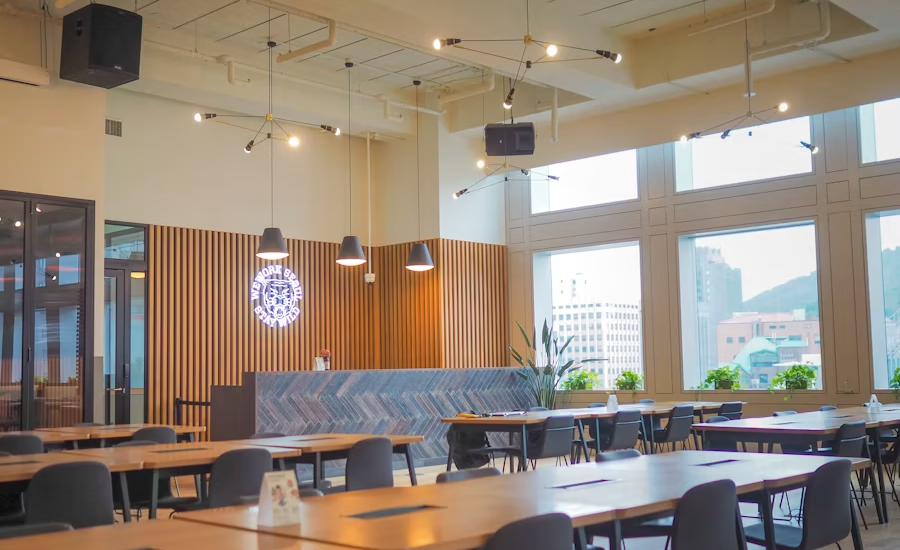
For many years, workplace dining was viewed simply as an operational necessity. Organizations focused primarily on providing meals to employees without considering the broader impact that food services could have on employee engagement, workplace culture, and productivity.
Today, this perspective is changing rapidly.
As businesses compete to attract and retain talent, employee experience has become a critical business priority. Workplace dining is no longer just about food—it is about creating environments where employees feel valued, supported, and motivated.
Organizations that invest in professionally managed food programs are increasingly seeing improvements in employee satisfaction, workplace culture, and operational efficiency.
The Connection Between Food and Employee Experience
Employees spend a significant portion of their day at work. The quality of their workplace experience directly influences engagement, morale, and productivity.
Workplace dining contributes to this experience by providing:
- Convenient access to quality meals
- Opportunities for social interaction
- Wellness-focused food choices
- Comfortable dining environments
- Consistent service experiences
When employees have access to safe, nutritious, and enjoyable meals, they are more likely to feel supported by their organization.
How Workplace Dining Impacts Productivity
A well-managed cafeteria program helps employees:
Reduce Time Lost
On-site dining minimizes the need for employees to leave the workplace during meal breaks.
Improve Energy Levels
Balanced meals help maintain focus and productivity throughout the day.
Encourage Collaboration
Cafeterias often become informal collaboration spaces where teams connect and exchange ideas.
Support Employee Wellness
Nutritious meal options contribute to healthier lifestyles and improved workplace well-being.
The Growing Importance of Managed Food Services
Many organizations are moving away from traditional catering models and adopting managed food service solutions.
A managed approach provides:
- Consistent food quality
- Structured operating procedures
- Food safety compliance
- Vendor management
- Performance monitoring
- Menu innovation
This ensures a better employee experience while reducing operational burden on internal teams.
Creating Dining Experiences Employees Appreciate
Today’s workforce expects more than basic cafeteria services.
Employees increasingly value:
- Fresh ingredients
- Healthier meal choices
- Diverse cuisine options
- Clean dining environments
- Sustainable practices
- Consistent service quality
Organizations that address these expectations often experience stronger employee satisfaction and engagement.
Conclusion
Workplace dining has evolved into an important component of employee experience strategy.
By investing in professionally managed food programs, organizations can create healthier, happier, and more productive workplaces while strengthening their employer brand.
At HGK Foods, we help businesses transform workplace dining into a meaningful employee experience through structured food service management, quality assurance, and operational excellence.