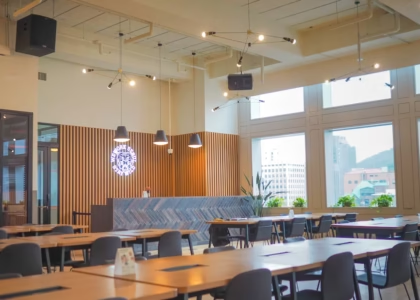

Corporate cafeterias are undergoing a significant transformation.
What was once viewed as a simple meal service has become an important element of workplace culture, employee well-being, and organizational strategy.
As employee expectations evolve, organizations are rethinking how workplace dining can create value beyond food.
Several emerging trends are shaping the future of corporate cafeterias.
Wellness-Focused Menus
Employees are becoming increasingly conscious about nutrition and healthy eating.
Organizations are responding by offering:
- Balanced meal options
- Low-calorie alternatives
- High-protein meals
- Fresh ingredients
- Wellness-focused menu choices
Nutrition is becoming a central part of workplace dining strategies.
Personalization and Choice
Modern employees expect flexibility.
Future cafeteria programs will increasingly provide:
- Diverse cuisine selections
- Customized meal choices
- Dietary-specific options
- Regional food preferences
- Rotating menu concepts
Greater choice improves employee satisfaction and participation.
Sustainability in Workplace Dining
Sustainability is becoming a major focus area for organizations.
Common initiatives include:
- Reducing food waste
- Sustainable sourcing
- Environmentally friendly packaging
- Energy-efficient kitchen operations
- Responsible consumption practices
Workplace dining programs are increasingly supporting broader ESG goals.
Technology-Enabled Food Services
Technology is transforming food service management.
Organizations are adopting tools for:
- Digital menu management
- Feedback collection
- Performance monitoring
- Vendor management
- Operational reporting
These technologies improve efficiency and service quality.
Employee Experience-Centric Dining
Future cafeterias will function as employee experience hubs.
They will become spaces that encourage:
- Collaboration
- Informal meetings
- Social interaction
- Team engagement
- Workplace community building
Dining environments will increasingly influence workplace culture.
Managed Food Service Models
Businesses are increasingly outsourcing food operations to specialized food service management companies.
Benefits include:
- Operational expertise
- Better compliance management
- Consistent service delivery
- Cost optimization
- Improved employee satisfaction
This trend is expected to accelerate as organizations focus on core business activities.
Conclusion
The future of workplace dining extends far beyond serving meals.
Organizations that embrace innovation, food safety, employee wellness, and managed food service models will be better positioned to create exceptional employee experiences.
At HGK Foods, we help organizations stay ahead of these trends through professionally managed food programs designed for quality, compliance, and workforce satisfaction.